
Montgomery County Parcel Search makes finding property information fast and straightforward. Residents, investors, and real estate professionals can access parcel details like ownership, lot identifiers, and property boundaries. With accurate parcel data, users can check property size, zoning, and location without confusion. The Montgomery County Auditor maintains these records, ensuring the information stays reliable and up to date. By using the right tools, anyone can perform a parcel lookup Montgomery County and get results quickly.
Montgomery County Parcel Search also helps users avoid mistakes when buying, selling, or managing property. Detailed maps show lot lines clearly, while ownership information is available at a glance. Property boundaries, lot identifiers, and tax details are all included in the database. A quick search box on the page lets users enter an address or lot number to find information immediately. This makes research easier for homeowners, investors, and real estate professionals alike.
What is a Parcel and Parcel Search?
A parcel is a specific piece of land identified by a unique lot number for legal and property records. A parcel search allows users to quickly access property boundaries, ownership details, and other essential information. Using Montgomery County’s parcel records, residents and professionals can confirm land details accurately without confusion. Parcel data includes dimensions, survey information, and GIS mapping to help track property specifics. This system ensures property research stays reliable, fast, and transparent.
Types of Parcel Information
Performing a parcel lookup Montgomery County provides multiple types of information for each property. This includes ownership details, boundary lines, zoning, and land use. Accessing this data helps homeowners, investors, and real estate professionals plan improvements or verify property records efficiently. GIS maps make visualizing the land simple and accurate.
Key details available in a parcel search include:
- Owner Information: Registered property owner names and contact info
- Property Boundaries: Exact lot lines and dimensions
- Zoning and Land Use: Types of allowable uses for the property
- Parcel Size: Lot area in square feet or acres
- Survey Data: Official measurements and records of the land
Parcel Search vs. Property Tax Search
A parcel search is focused on identifying a property and its boundaries, while a property tax search deals with financial records linked to the parcel. Parcel searches show maps, lot identifiers, and ownership information. Tax searches provide details such as:
- Current and past tax amounts
- Payment history
- Assessed property value
Both tools complement each other. For example, confirming a parcel’s boundaries through a parcel lookup Montgomery County can prevent mistakes before reviewing tax records or buying property. Accurate parcel data ensures clear, reliable information for property management, legal purposes, or planning.
How to Search by Parcel Number or Lot Number
Using a parcel lookup Montgomery County with a parcel number or lot identifier allows users to find accurate property details quickly. This method provides access to ownership data, property boundaries, survey information, and zoning details. Following the right steps ensures the search is precise and useful for homeowners, investors, and professionals.
Steps for Lot Number Search
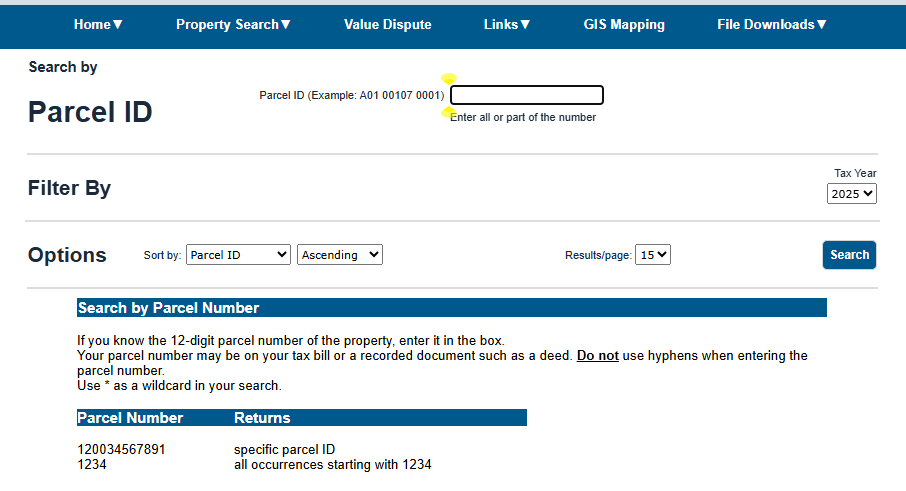
Start by locating the exact parcel number or lot identifier on your property documents such as deeds or tax bills. Accuracy is crucial, so copy the number exactly, including any letters or dashes. Then, visit the official Montgomery County Auditor’s website to use their property search tool.
- Visit: https://www.mcrealestate.org/search/commonsearch.aspx?mode=owner
- Navigate to the “Property Search” menu and select “Parcel.”
- Enter your parcel or lot number in the search box.
- Choose the correct tax year if prompted (usually defaults to the current year).
- Click the search button to view results.
How to Interpret Parcel Search Results
After the search loads, review the details carefully. Check that the parcel ID or lot identifier matches your input. Look at the owner’s name and property address to confirm you have the right property. The search also provides detailed property boundaries through GIS maps and may include survey information showing exact lot dimensions.
Key elements to verify:
- Parcel ID matches your input
- Owner’s name and contact information
- Clear property boundary maps or diagrams
- Survey data and legal descriptions
- Zoning classification and land use codes
Verifying Lot Information and Boundaries
To ensure you’re working with correct data, always compare the parcel lookup results with existing property documents. Use the GIS mapping feature on the auditor’s site for a visual check of boundaries. If anything is unclear, contact the Montgomery County Auditor’s office for assistance. Keep in mind that parcels can change over time due to subdivisions or mergers, so verify the latest records.
Interactive Lot Number Search Form
Adding an interactive lot number search form to your website boosts user experience by allowing immediate parcel lookups without leaving the page. The form should let users:
- Enter a parcel number or lot identifier
- View ownership details and property boundaries
- Access survey data and zoning information
- See an interactive map for visual reference
Searching via GIS Parcel Maps
A GIS parcel map offers a powerful way to visually locate and explore properties in Montgomery County. Unlike traditional lists or text-based searches, GIS (Geographic Information System) maps display land parcel data graphically, making it easier to see property boundaries and surrounding areas at a glance. This visual approach helps users understand spatial relationships between parcels, zoning areas, and land use, improving accuracy and decision-making in property research.
How GIS Mapping Works and Its Benefits
GIS mapping uses detailed satellite imagery, surveys, and county records to create interactive maps showing each property’s exact boundaries and features. When you perform a Montgomery County parcel search using GIS tools, you access layers of information stacked on a map. Users can zoom in on specific areas, pan across neighborhoods, and click on parcels to get ownership, size, and legal details instantly.
The benefits of GIS mapping include:
- Visual clarity: See property lines clearly instead of reading complex legal descriptions.
- Spatial context: Understand how a parcel relates to neighboring properties, roads, and zoning districts.
- Interactive tools: Use measurement features to calculate lot dimensions or distances.
- Real-time updates: Access the most recent land records and zoning changes.
How to Overlay Parcel Lines, Zoning, and Land Use
Most GIS parcel maps let users toggle layers to display different types of information. For example, you can overlay:
- Parcel lines: Outlines of individual lots showing exact boundaries.
- Zoning districts: Color-coded areas defining allowable land use like residential, commercial, or industrial.
- Land use designations: Specific uses like parks, schools, or agricultural land.
Parcel Search Results
When conducting a Montgomery County Parcel Search, users often encounter various terms, codes, and maps that may seem confusing at first. Knowing how to interpret this land parcel data is crucial for making informed decisions about property ownership, boundaries, and development. This section explains common elements found in parcel search results and offers tips for reading maps and verifying information.
Common Terms and Codes in Parcel Search Results
Parcel search results typically include key terms and codes that describe the property and its legal status. Understanding these helps clarify what you’re viewing:
- Parcel ID / Lot Number: A unique identifier assigned to each property for tracking in county records.
- Owner Information: The current registered owner’s name and sometimes contact details.
- Property Address: The official mailing or physical address tied to the parcel.
- Legal Description: A detailed narrative or coded description of the property’s boundaries and dimensions.
- Zoning Codes: Designations like “R-1” (Residential), “C-2” (Commercial), indicating permitted land uses.
- Acreage / Lot Size: The total land area, often in square feet or acres.
- Tax Status: Information about property taxes owed or paid, if available.
How to Read Maps, Boundaries, and Lot Shapes
Many parcel searches include GIS maps showing property lines and shapes. These visual tools help users grasp the size and location of parcels relative to surrounding properties and landmarks. When examining maps:
- Look for clear boundary lines outlining the exact lot shape.
- Use zoom and pan functions to explore neighboring parcels and infrastructure like roads or waterways.
- Note any easements or rights-of-way that might appear as dashed lines or shaded areas—these affect property use.
- Review labels or color codes indicating zoning districts or land use.
Data Accuracy and Updates from the Montgomery County Auditor
The Montgomery County Auditor’s office maintains and updates parcel records regularly to reflect changes in ownership, zoning, and property search details related to each parcel. However, some information may have a delay in updates due to processing times. Users should:
- Confirm data currency by checking the “last updated” dates if available.
- Cross-reference parcel search data with recent deeds or surveys for critical transactions.
- Contact the Auditor’s office for clarification if discrepancies arise.
Benefits of Using Montgomery County Parcel Search
The Montgomery County Auditor Parcel Search provides a reliable and efficient way to access detailed property information. Whether you are a homeowner, investor, or surveyor, using this tool saves time and ensures accurate results. A parcel lookup Montgomery County allows users to retrieve ownership details, property boundaries, zoning, and other essential land parcel data quickly, which supports better decision-making and legal compliance.
Advantages for Real Estate Investors and Buyers
Investors and buyers benefit from parcel search tools by gaining precise insights into properties before purchase. They can verify ownership, check property dimensions, and explore the lot’s surroundings through GIS maps. Accessing accurate land parcel data reduces the risk of purchasing disputes and helps evaluate investment potential efficiently.
- Quickly confirm lot size and boundaries
- Identify zoning restrictions or allowable land uses
- Access ownership history to avoid title conflicts
Supporting Legal and Zoning Compliance
A Montgomery County parcel search also ensures properties comply with local zoning and legal regulations. Understanding the official property boundaries and zoning designations helps professionals and property owners avoid violations. This is particularly important for developers, architects, and legal advisors who rely on precise data for planning or dispute resolution.
- Verify zoning classifications and land use codes
- Check for easements, rights-of-way, or encroachments
- Ensure development plans align with county regulations
Benefits for Homeowners and Surveyors
Homeowners can use the parcel search to monitor property lines, plan renovations, or assess adjacent properties. Surveyors and professionals rely on the data to prepare accurate site plans, perform surveys, and confirm lot dimensions. The tool provides easy access to maps, legal descriptions, and historical parcel changes, which streamlines research and prevents errors.
- Visualize property boundaries using GIS parcel maps
- Access historical ownership and survey records
- Reduce errors in planning renovations, fences, or land use changes
Montgomery County Auditor Parcel Search Overview
The Montgomery County Auditor Parcel Search is the official tool for accessing detailed property information in the county. It allows residents, investors, surveyors, and professionals to retrieve accurate land records quickly. This tool provides an easy way to view ownership details, property boundaries, zoning, and other critical data while supporting legal compliance and property research.
Accessing the Official Parcel Search
Users can access the official Montgomery County Auditor parcel search here: Montgomery County Auditor Parcel Search. This portal is maintained by the Auditor’s office and offers secure, reliable information for anyone needing details about properties in Montgomery County. The interface is user-friendly and includes options for searching by parcel number, lot number, property address, or owner name.
Publicly Available Data
The Montgomery County Auditor provides a range of publicly accessible information through the parcel search tool, including:
- Ownership Details: Names of property owners and contact information if available
- Property Boundaries: GIS maps showing lot lines, shapes, and dimensions
- Legal Descriptions: Detailed survey information and legal property descriptions
- Zoning Codes and Land Use: Classification of land use and restrictions
- Parcel IDs / Lot Numbers: Unique identifiers assigned to each property
- Historical Records: Some records of past ownership or property changes
Supporting Property Research and Legal Requirements
The Montgomery County Auditor Parcel Search simplifies property research by consolidating multiple datasets into a single interactive tool. Users can:
- Confirm property boundaries and visual layouts using GIS parcel maps
- Check zoning regulations to ensure compliance for development projects
- Verify ownership history for legal transactions or title research
- Access survey data for planning improvements or construction projects
FAQs on Montgomery County Parcel Search
Performing a Montgomery County parcel search can be straightforward, but many users have questions about how to interpret the data, use GIS maps, and verify property details. This FAQ section addresses the most common concerns, helping homeowners, buyers, investors, and professionals access accurate land parcel data. Each answer provides practical steps, tips, and explanations to make the parcel lookup Montgomery County process clear and reliable.
How Do I Find My Property?
To find your property, visit the Montgomery County Auditor Parcel Search and select the “Parcel” search option. Enter your parcel number exactly as it appears on your deed or tax statement. The results will display owner information, property address, lot size, and legal descriptions. You can also view a GIS map highlighting the parcel boundaries and adjacent lots. This approach is faster and more precise than searching by owner name, especially in neighborhoods with multiple properties under similar names. Users can also click on the parcel map to explore details like easements, rights-of-way, and zoning codes.
Can I See Property Boundaries Online for Free?
Yes, Montgomery County provides free access to GIS parcel maps online. These interactive maps show lot lines, property shapes, and neighboring parcels, allowing users to zoom in for a detailed view. By clicking on a parcel, you can access ownership details, survey information, and legal descriptions. The maps often include measurement tools to calculate distances, acreage, and boundary lengths. This is useful for homeowners planning improvements, investors evaluating properties, and surveyors checking lot dimensions. The visual representation helps avoid misinterpretation of property lines that might occur with only written descriptions.
How Current Is the Parcel Data?
The Auditor’s parcel records are updated frequently to reflect changes in ownership, zoning, property boundaries, and surveys. While most updates appear promptly online, some data may take a few days to process. Always check the “last updated” date when reviewing records, particularly for legal, financial, or development purposes. For absolute certainty, cross-reference the online information with official deeds or contact the Auditor’s office directly. Regular verification is recommended for transactions, surveys, or projects that require precise measurements and legal compliance.
What Is the Difference Between Lot Number and Parcel Number?
A parcel number is a unique identifier for each property in Montgomery County’s official records. A lot number generally identifies a section of land within a larger subdivision. Both can be used to locate a property, but the parcel number is more precise for legal documentation, GIS mapping, and property research. Knowing the distinction helps when interpreting GIS maps or survey records, especially if parcels have been subdivided, merged, or renumbered over time. Using the correct identifier ensures accurate results and avoids confusion during transactions or planning.
Can I Access Historical Parcel Records?
Yes, some historical ownership and lot information is available through the Auditor’s parcel search. Users can view past owners, previous parcel configurations, and historical survey data. However, older records may not be fully digitized online. For comprehensive historical research, contacting the Auditor’s office directly may provide deeds, old surveys, and archived property maps. Historical data is valuable for title verification, resolving boundary disputes, or understanding a property’s development history, and it provides context for investment and planning decisions.