Montgomery County Court Docket lists all scheduled court activities and filings for residents and legal professionals. This docket allows users to perform a court case lookup to see hearing dates, case status, and motions filed. It provides a clear overview of local legal proceedings and helps anyone stay informed about ongoing cases. The docket includes civil, criminal, and family cases, showing which judge is assigned and upcoming court events. By checking the docket, users can keep track of public court dockets efficiently and avoid missing important deadlines.
The Montgomery County Court Docket also shows detailed case information such as filings, petitions, and motions. Users can see the current status of each case, whether it is pending, closed, or delayed. This makes it easier for residents, attorneys, and researchers to monitor case tracking accurately. Official sources like the Montgomery County Court website provide additional records and verification. Overall, the docket serves as a reliable tool for anyone needing updates on local court activity and judicial schedules.
What is Montgomery County Court Dockets
Montgomery County Court dockets are official records that list upcoming court cases and their related activities. They allow users to track case progress, view hearing dates, and review filings for civil, criminal, or family matters. Court dockets are organized schedules maintained by the Montgomery County Clerk of Courts and referenced by the Montgomery County Auditor for property and tax-related records. Each docket provides a clear record of case activity, including the parties involved, case type, and the dates of hearings or motions. These schedules are updated regularly to reflect new filings, continuances, and case resolutions, maintaining an accurate timeline of each case.
Types of Montgomery County Court Dockets
Montgomery County maintains different types of court dockets depending on the nature of the case. These dockets help the court manage schedules efficiently while keeping information clear for attorneys, litigants, and the public. Civil, criminal, and family dockets each serve a distinct purpose, ensuring the right information is tracked for each case type.
- Civil Dockets: Include disputes between individuals, organizations, or businesses. Examples include contract disagreements, property issues, or personal injury claims.
- Criminal Dockets: Track cases involving violations of law, from misdemeanors to felonies, listing charges, court dates, and outcomes.
- Family Dockets: Cover divorce, child custody, or support matters, including motions, temporary orders, and scheduled hearings.
How Dockets Are Maintained
Court clerks update dockets regularly, ensuring all case details are current and accurate. Updates include new filings, rescheduled hearings, and case resolutions. Maintaining these records helps prevent scheduling conflicts and keeps all parties informed of upcoming court activities.
Key updates often include:
- New petitions or motions filed by attorneys or litigants
- Scheduled trials, hearings, or conferences
- Continued or rescheduled court dates
- Case judgments or dispositions
Components of a Montgomery County Court Docket
A docket entry contains several important details that help users quickly understand a case’s status. Each component provides a snapshot of the case and its schedule, making it easier to track proceedings efficiently.
| Component | Description |
|---|---|
| Case Number | Unique identifier for the case |
| Parties Involved | Names of plaintiffs, defendants, or respondents |
| Case Type | Civil, criminal, or family |
| Hearing Dates | Scheduled court appearances |
| Filings & Motions | Documents submitted to the court |
| Case Status | Pending, continued, or closed |
How to Search a Montgomery County Court Docket
Searching a Montgomery County Court Docket allows users to perform a Court Case Lookup, track case progress, and view official docket entries. The Montgomery County Clerk of Courts provides a public portal where users can search case information online or access records in person. Using the official Public Records Online (PRO) system ensures accurate and up-to-date information about civil, criminal, traffic, and domestic relations cases.
Instructions to Search Online
The PRO system is the official online tool for Montgomery County court records. Here’s how to search efficiently:
- Open the PRO Portal
- Go to https://pro.mcohio.org/ in your browser.
- Accept any disclaimers or terms of use to access the search form.
- Choose a Search Method
- Case Number: The fastest and most precise method.
- Party Name: Search by first and last name if the case number is unknown.
- Attorney Name: Useful for narrowing results when multiple parties have the same name.
- Enter Required Details
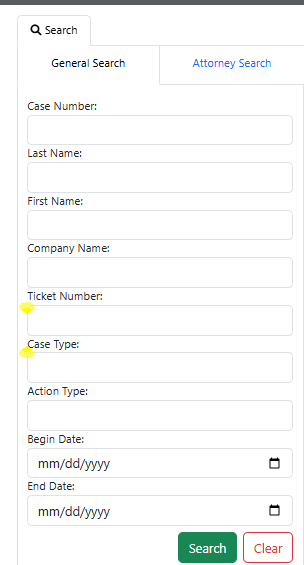
Fill in the search fields based on your chosen method:- Case Number: Enter exact docket number.
- Last Name / First Name: Full legal names improve accuracy.
- Company Name: For business-related cases.
- Ticket Number, Case Type, Action Type, Begin/End Dates: Optional filters to refine search results.
- Submit Your Search
- Click the Search button.
- The system displays a list of matching cases, showing:
- Case number
- Parties involved
- Case type (civil, criminal, domestic, traffic)
- Docket entries and next hearing date
- Review Case Details
- Click the case number link to view full docket information.
- Users can see:
- Scheduled hearings
- Filed motions and actions
- Case status updates
Tips for a Successful Search:
- Double-check spelling for party names.
- Use the case number whenever possible for quicker results.
- If too many results appear, add filters like case type or filing date.
Searching Court Records In Person
If online records are insufficient, the Montgomery County Clerk of Courts office provides in-person access to dockets:
- Address: 41 N Perry St, Dayton, OH 45422
- Phone: (937) 225‑4444
Steps for In-Person Search:
- Provide the case number, party name, or attorney name to staff.
- Request docket entries or specific case filings.
- Review records on-site or request certified copies (fees may apply).
- Confirm office hours before visiting to avoid delays.
Case Filings in Montgomery County Courts
Case filings are the official documents submitted in a court case and recorded inside the Montgomery County Court Docket. These filings create the legal history of a case and help people track what has happened, what is pending, and what comes next. In Montgomery County, Ohio, case filings appear as part of the public docket record through the Clerk of Courts system. Each filing represents a specific action, such as a complaint being filed, a motion being submitted, or a judge issuing an order. Reading these documents helps users follow the case timeline and better understand the court process.
Case Filings in Montgomery County Court Docket
Case Filings are the written records that show every major step in a court case. They are stored in the docket as official court documents and updated whenever something new is filed. These filings may come from attorneys, court staff, or directly from the judge. They explain why a case started, what legal requests have been made, and what rulings have been issued. When users review a Montgomery County Court Docket, the filing history provides a clear picture of the case activity over time. It also helps users understand what stage the case is currently in.
Common filing details shown in docket entries include:
- Filing date
- Document type
- Party who submitted it
- Court action taken
Types of Case Filings Found in Court Records
Montgomery County courts handle many kinds of legal filings, and each serves a different purpose in the case. Some filings begin a case, while others request court action or record final decisions. These documents help both the court and the public follow what is happening step by step. Criminal, civil, and domestic relations cases all contain filing records that appear in the docket. Recognizing the type of filing makes it easier to interpret the case summary and next scheduled events.
Some of the most common Case Filings include:
- Complaints: Start civil cases and explain disputes
- Charges or Indictments: Filed in criminal matters to list offenses
- Motions: Requests asking the court to take action
- Orders: Written rulings issued by a judge
- Summons: Notices requiring parties to appear
- Judgments: Final decisions resolving the case
How to Read Case Filings and Docket Entries
Reading court filings may feel confusing at first, but docket formats become easier once users know what to look for. Each docket entry usually includes the filing name, date, and a short description of the court action. Users should focus on recent filings first, since they show the current case status. Older filings help explain how the case developed over time. Court schedules, motions, and orders together provide the full legal timeline. Understanding these entries helps users stay informed about hearings and case progress.
A typical docket entry includes:
- Document name (Motion, Order, Complaint)
- Filed date
- Event description
- Court status update
Helpful tips when reviewing filing history:
- Look for terms like “Order Issued” or “Hearing Scheduled”
- Check which party submitted the filing
- Note deadlines mentioned inside motions or orders
Checking Hearing Schedules and Court Dates
A Hearing Schedule in the Montgomery County Court Docket shows when a case is set for court, including upcoming hearings, trials, or conferences. These court dates help parties, attorneys, and the public track scheduled case events and stay informed about important deadlines. In Montgomery County, Ohio, hearing schedules are listed directly inside docket entries through the Clerk of Courts online system. By reviewing the docket calendar information, users can confirm the next court event, see past hearing history, and understand what stage the case is currently in.
Where Hearing Schedules Appear in the Montgomery County Court Docket
The Hearing Schedule usually appears as a docket entry labeled with terms like “Hearing Set,” “Pretrial Conference,” or “Trial Date Assigned.” These entries are updated when the court schedules a new event or changes an existing date. Hearing information is often placed near the most recent case activity, so users should review the latest docket updates first. Court events may apply to civil, criminal, traffic, or domestic relations matters. Checking these entries regularly helps users avoid missing important appearances. It also provides clarity on what the court expects next.
Common hearing-related docket labels include:
- Hearing Scheduled
- Motion Hearing
- Pretrial Conference
- Trial Date Set
- Sentencing Hearing
How to Interpret a Court Hearing Schedule
Each scheduled court event includes several key details that help users understand when and where to appear. The docket calendar entry typically provides the official date, time, and courtroom assignment. Some listings may also include the judge’s name or the type of hearing being held. Reading these details carefully prevents confusion and helps parties prepare properly. Court schedules may differ depending on case type and court division. Users should always rely on the official docket entry rather than informal updates.
A typical hearing schedule entry may show:
- Date: The day of the court event
- Time: Scheduled start time
- Courtroom or Location: Where the hearing will take place
- Judge Assigned: The presiding judge
- Event Type: Hearing, trial, conference, or sentencing
Confirming Changes or Cancellations
Court dates can change due to continuances, weather issues, or scheduling conflicts. That is why users should confirm hearing schedules often, especially as the date approaches. Updated docket entries will usually reflect rescheduled hearings or cancellations. Checking the docket the day before a hearing can prevent missed appearances. Users may also contact the Clerk of Courts office for confirmation if something seems unclear. Reliable schedule tracking helps avoid unnecessary delays or penalties.
Helpful tips include:
- Check the docket weekly for new court events
- Look for entries marked “Continued” or “Rescheduled”
- Confirm last-minute changes before attending
- Call the court if the online schedule seems outdated
Requesting Court Records in Montgomery County
A Court Records Request allows the public to obtain official documents connected to a Montgomery County Court Docket, such as filings, judgments, or certified copies. These records help parties review case history, confirm court actions, and retrieve important legal paperwork. In Montgomery County, Ohio, court records may be available through the online docket system or by requesting documents directly from the Clerk of Courts office. The method you choose depends on the type of record and whether the document is public or restricted.
Online vs. In-Person Court Records Request
Many case details can be viewed online using the Montgomery County Clerk of Courts Public Records Online (PRO) portal: https://pro.mcohio.org/
This system provides access to docket entries, hearing dates, case summaries, and in some cases scanned filings. However, not all documents may be available online due to privacy or system limitations. For complete access to official court filings, certified copies, or older archived documents, users will need to request records in person or make a formal request through the Clerk’s office.
In-person requests are ideal for:
- Certified copies of court-issued documents
- Full case filings not posted online
- Complete docket history
- Records requiring identity verification
Identification, Fees, and Processing Time
When requesting official court documents, the Montgomery County Clerk of Courts may ask for:
- Valid photo identification (for certified requests)
- Case number or full party names
- Specific document details (e.g., type of filing, date range)
Fees
Below are commonly charged fees as published by the Montgomery County Clerk of Courts (these are typical and may vary slightly):
- Standard Copy (per page): $0.50–$1.00
- Certified Copy: $3.00–$5.00 per record (plus copy costs)
- Audio/CD of Court Recordings: $10.00–$15.00
- Record Retrieval Fee (archives): $5.00–$25.00
Processing Times
Processing times vary based on the type of request:
- Online Searches: Instant (free)
- Standard Copies: Same business day (walk-in)
- Certified Copies: 1–3 business days
- Archived or Extensive Records: 3–7 business days
Montgomery County Clerk of Courts Contact Information
For document retrieval, certified copies, or official court file access, contact or visit:
Montgomery County Clerk of Courts
41 N Perry Street
Dayton, OH 45422
Phone: (937) 225-4444
The Clerk’s office staff can assist with:
- Accessing public court records
- Processing certified document requests
- Answering questions about fees and requirements
Frequently Asked Questions
People often have practical questions about the Court Docket, Case Filings, and the Hearing Schedule in Montgomery County. The answers below give clear, detailed help for anyone doing a case lookup or reviewing public court records.
How to search the court docket online?
A Montgomery County Court Docket can be searched online through the official Public Records Online (PRO) system at https://pro.mcohio.org/. Users can complete a Court Case Lookup by entering a case number, a party’s first and last name, an attorney name, or even a ticket number for certain cases. After submitting the search, the system shows case summaries, docket entries, hearing schedules, and filing activity. If multiple results appear, users should match the correct case using the filing date, case type, or court division.
Are court records free?
Most docket information is free to view online. The public can check case status, see hearing dates, and review docket updates without paying anything. Fees usually apply only when someone needs printed copies, certified documents, or archived file retrieval. Certified copies are often required for official legal use, such as employment matters or court proof. Online access is meant for viewing, while document requests may involve small copy charges.
What is included in a docket entry?
A docket entry is the court’s official timeline of everything happening in a case. It may include filings such as complaints, motions, responses, and judge-issued orders. It also lists scheduled court events like hearings, trials, and conferences. Each entry usually has a date, a short description, and sometimes a document reference number. Reading docket entries helps users follow the progress of a case from start to finish.
How often are dockets updated?
Montgomery County Court dockets are updated frequently as the Clerk of Courts receives new filings and court staff schedule events. Many updates appear within one to two business days, though high-volume periods may cause delays. Criminal cases, civil disputes, and domestic matters may update at different speeds. For the most accurate information, users should check the docket regularly, especially before a court date.
Can physical copies be requested?
Yes, physical copies of case filings and official court documents can be requested from the Montgomery County Clerk of Courts office. People may request regular copies for personal review or certified copies for legal proof. Requests usually require a case number or party name, and copy fees depend on the number of pages. Archived records or older cases may take longer to retrieve, so early requests are helpful.
How to find upcoming hearing dates?
Upcoming hearing dates appear directly inside the Hearing Schedule portion of the docket. After searching a case online, users can look for entries labeled hearing scheduled, trial set, pretrial conference, or status hearing. These entries usually include the date, time, courtroom location, and assigned judge. Checking the docket close to the hearing date is important since court schedules can change.
What if a court date changes?
Court dates sometimes change due to continuances, court conflicts, or new judicial orders. The docket will usually show updated entries marked rescheduled, continued, or canceled. The best way to confirm a change is to review the latest docket entry online the day before attending court. If the docket information seems unclear, contacting the Clerk of Courts office directly provides the most reliable confirmation.