
Montgomery County Jail Inmate Search gives quick confirmation about custody status using official county jail records. This search helps families and legal contacts verify if someone is held in the local detention system. It focuses on clear results that show booking details, housing location, and charge summaries. People often use this search after an arrest to reduce confusion. The process relies on updated jail data from Montgomery County. Results support fast decisions during stressful moments.
Montgomery County Jail Inmate Search brings reassurance by showing real-time custody details through a simple lookup. In the middle of the process, the jail inmate search confirms identity using names or booking numbers. This method limits errors tied to outdated third-party listings. Many users want reliable answers without delays. County jail inmate search tools focus on accuracy and public record clarity. Clear information helps people move forward with confidence.
What Is the Montgomery County Jail Inmate Search?
Jail Inmate Search is an official process used to check whether a person is currently held in a county jail and to view basic custody details. It allows families, attorneys, and the public to confirm detention status through county-managed records. A Jail Inmate Search works through an inmate locator system, with oversight from the Montgomery County Auditor, that pulls live data from county detention facilities. This system reflects booking activity, housing status, and release updates stored in verified detention center records.
What a Jail Inmate Search Means
A Jail Inmate Search focuses on people held in county custody for short periods. The system pulls details from a centralized custody database that updates throughout the day as new bookings occur or releases are processed. Since county jails handle active intake and release cycles, the information can change quickly. This makes the search useful for time-sensitive needs like court preparation or family contact. The records are factual and administrative, not a statement about guilt or innocence. Public transparency is the main purpose of this search process.
Common details shown in a jail inmate search include:
- Full legal name and booking number
- Date and time of booking
- Current housing or unit location
- Charge category or hold type
- Bond or release notes, if available
Who Maintains Jail Inmate Records
County law enforcement agencies manage jail inmate records and update them daily. In most counties, the Montgomery County Sheriff’s Office operates the detention facility and controls booking, housing, and release data. Deputies and jail staff enter information at intake and adjust records as custody status changes. This keeps the jail roster aligned with real-time conditions inside the facility. Since the Sheriff oversees jail operations, this office is the primary source for current inmate status.
Court-related information connects through the Clerk of Court. The Clerk manages case filings, hearing dates, and docket entries tied to each arrest. Jail records show who is held; court records show how the case proceeds. Together, these offices support accurate public records and lawful custody tracking.
Difference Between Jail and Prison Inmate Searches
Jail inmate searches and prison inmate searches serve different purposes. A jail search covers short-term custody, often before trial or after brief sentences. A prison search applies to people serving longer sentences after conviction. Each system runs under a different authority and updates at a different pace.
| Feature | Jail Inmate Search | Prison Inmate Search |
|---|---|---|
| Custody length | Short-term holding | Long-term sentence |
| Managed by | County Sheriff | State or federal agency |
| Update frequency | Same-day or real time | Scheduled updates |
| Common use | Booking, bond, court prep | Sentence tracking |
How to Use the Montgomery County Jail Inmate Search Tool
To perform an accurate Montgomery County Jail Inmate Search, users should rely on the official inmate lookup tool provided by the Montgomery County Sheriff’s Office. This tool allows the public to search current jail records using either an inmate’s name or booking number and is updated regularly to reflect real-time custody status.
Official Inmate Search URL: https://www.mcohiosheriff.org/jail/inmate_information/index.php
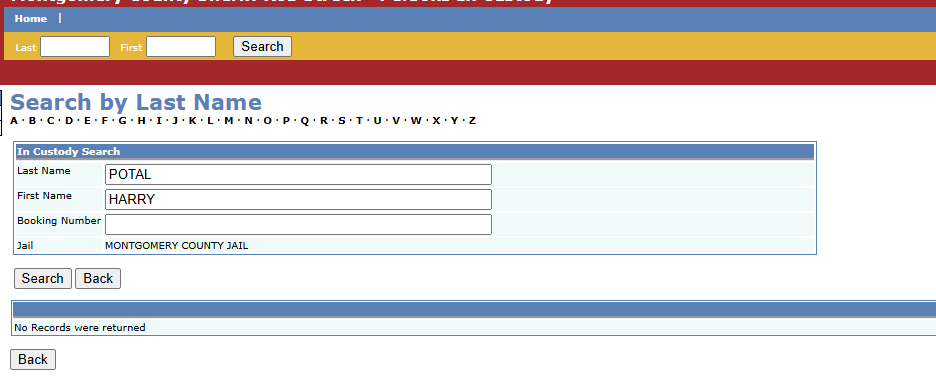
Search by Name
Users can search jail records by entering the inmate’s first and last name in the designated fields.
Steps:
- Open the official Montgomery County Jail inmate search page.
- Enter the inmate’s First Name and Last Name.
- Select the jail facility if a dropdown option is available.
- Click the Search button to view results.
Search by Booking Number
For more precise results, the tool also supports searches using a booking number, which is unique to each inmate record.
Steps:
- Locate the Booking Number field on the search form.
- Enter the full booking number exactly as provided.
- Submit the search to retrieve the inmate’s custody details instantly.
Partial Name Search Tips
If you’re unsure about spelling or full legal names, partial searches can help.
Helpful tips:
- Enter only the first few letters of the last name.
- Avoid middle names or suffixes unless necessary.
- Try alternate spellings if no results appear.
- Recently booked inmates may take a short time to appear in the system.
About Montgomery County Jail
The Montgomery County Jail is operated by the Montgomery County Sheriff’s Office and serves as the main county detention center for individuals arrested within Montgomery County. This local correctional facility is responsible for securely housing inmates while supporting court proceedings, public safety, and legal compliance across the county justice system.
Jail’s Role in the Justice System
Montgomery County Jail plays a critical role in the local justice system by ensuring that individuals charged with crimes are held securely and humanely while their cases move through the courts. The facility works in coordination with law enforcement agencies, prosecutors, and the court system to manage custody and court appearances. It also ensures that inmates’ constitutional rights are maintained during detention.
Key responsibilities include:
- Holding pretrial detainees awaiting hearings
- Managing short-term sentences
- Transporting inmates to court proceedings
- Maintaining secure custody for public safety
Types of Inmates Held
As a county-level detention center, Montgomery County Jail primarily houses inmates for short durations. The facility accommodates individuals at different stages of the criminal justice process, depending on court status and bond eligibility. It does not typically hold inmates serving long-term state prison sentences.
Common inmate categories include:
- Pretrial detainees awaiting court decisions
- Individuals unable to post bail or bond
- Misdemeanor offenders serving short sentences
- Inmates awaiting transfer to state facilities
Booking & Release
The booking process begins immediately after an arrest within Montgomery County. During booking, inmate information is officially recorded, and individuals are prepared for placement within the facility. This process ensures accurate identification, safety screening, and legal documentation.
The booking process generally includes:
- Identity verification and fingerprinting
- Photograph (mugshot) capture
- Charge documentation
- Medical and safety screening
Jurisdiction Explanation
Montgomery County Jail has jurisdiction over individuals arrested by county and local law enforcement agencies within county boundaries. It holds inmates charged under local and state laws until court resolution or transfer to another facility. The jail supports multiple municipal courts operating within the county.
Jurisdiction typically covers:
- County ordinance violations
- State-level criminal charges
- Municipal court cases processed at the county level
Inmate Custody Status
When reviewing jail records or performing an inmate search, understanding the meaning of custody status is essential. Custody status explains whether an individual is currently in jail, has been released, transferred, or is being temporarily held. The official custody information is typically managed by the Montgomery County Sheriff’s Office and updated based on court actions, bond payments, or transfers between facilities.
Meaning of Custody Status Terms
Custody status terms describe an inmate’s current legal and physical situation within the correctional system. These terms help families, attorneys, and the public understand whether someone is still detained or no longer housed at the facility.
Common custody status terms include:
- In Custody – The individual is currently housed in the county jail.
- Released – The inmate has been discharged from custody, either by bond, court order, or sentence completion.
- Transferred – The inmate has been moved to another facility (such as a state prison or another county jail).
- Bond Posted – Bail has been paid, and the inmate is awaiting formal release processing.
Pre-Trial vs Sentenced Inmates
Custody status also depends on whether the individual is a pre-trial detainee or a sentenced inmate. Understanding this distinction helps clarify why someone is being held and for how long.
- Pre-Trial Inmates are individuals awaiting court hearings or trial. They may remain in custody if they cannot post bond or if bond is denied.
- Sentenced Inmates have already received a court judgment and are serving a short-term sentence at the county level.
Temporary Holds & Transfers
In some cases, an inmate may be listed under temporary custody status. This usually indicates short-term administrative actions rather than a final release.
Temporary situations may include:
- Court transport holds while awaiting a scheduled hearing
- Medical transfers to outside facilities
- Inter-county holds for warrants in another jurisdiction
- Transfer to state prison after felony sentencing
What Information Appears in Jail Inmate Records?
When accessing detention center records, users can expect to find a range of official details related to an inmate’s arrest, booking, and custody status. These records are maintained by the Montgomery County Sheriff’s Office and are updated as legal proceedings move forward. Jail inmate records help the public, attorneys, and family members understand an individual’s current status within the correctional system.
Full Name & Aliases
Inmate records typically display the individual’s full legal name as it appears in official identification. If the person has used alternate names in past arrests or legal documents, those aliases may also be listed to prevent confusion or duplicate records. Including aliases ensures accurate identification, especially when multiple individuals share similar names.
Common details shown:
- Full legal name
- Known aliases or alternate spellings
- Date of birth (in some cases)
- Booking or inmate identification number
Booking Date & Charges
One of the most important sections of detention center records includes booking information and criminal charges. The booking date reflects when the individual was officially processed into jail after arrest. Charges listed may include misdemeanors, felonies, or ordinance violations, and tools like a tax calculator can help estimate related fines or fees depending on the case.
Typically displayed information:
- Date and time of booking
- Arresting agency
- List of criminal charges
- Case or court reference number
Bond or Bail Information
Bond or bail details indicate whether the inmate is eligible for release before trial. This section is especially important for families or attorneys who need to understand release options. If bond has been set, the amount required for release will usually be displayed in the inmate’s profile.
Bond-related information may include:
- Bond amount
- Bond type (cash, surety, personal recognizance)
- Bond status (posted or pending)
- Court conditions of release
Housing Location
The inmate record may also list the current housing location within the facility. This helps jail administration manage inmate placement and allows approved visitors or legal representatives to identify the correct housing unit.
Housing details can include:
- Facility name (if multiple facilities exist)
- Cell block or housing unit
- Classification level (general population, medical, restricted, etc.)
What to Do If an Inmate Is Not Found
Sometimes, an inmate search Montgomery County may return no results, even if the person was recently arrested or held in custody. This does not always mean the information is incorrect. Jail lookup systems depend on processing time, custody updates, and legal restrictions, so records may not appear immediately or may be unavailable for specific reasons.
Recently Booked Delays
If the arrest happened within the last few hours, the inmate may not appear right away in the online jail roster. Booking procedures take time because the jail must complete identity verification, medical screening, and official record entry before the inmate becomes searchable.
Common reasons for delay include:
- Booking is still in progress
- Records have not yet been uploaded to the database
- The inmate is being processed at another intake location
Released Inmates
Another common reason for a no inmate record found result is that the individual has already been released. Jail systems update quickly, and some inmates may be discharged shortly after booking due to bond payment or court orders.
Release may occur through:
- Bond or bail being posted
- Court-approved release
- Sentence completion
- Charges being dropped
Transferred Inmates
Inmates are sometimes moved from one facility to another, especially in cases involving state-level charges, medical needs, or holds from other jurisdictions. When this happens, the inmate may no longer appear in the county jail roster.
Transfers may include:
- Movement to another county jail
- Transfer to an Ohio state correctional facility
- Temporary transport for court proceedings
Juvenile Record Restrictions
Juvenile detainee information is generally not available through public inmate search systems. If the individual is under 18, their custody status and detention center records are usually protected by privacy laws.
Juvenile records may be restricted due to:
- Confidential court protections
- Sealed detention proceedings
- Youth facility placement instead of county jail
Jail vs Prison Inmate Search in Montgomery County
When people perform a Jail Inmate Search, they often assume jail and prison records are the same. In reality, the correctional system in Montgomery County operates through two separate levels: county detention facilities and state correctional institutions. Understanding this difference is essential because searching the wrong system is one of the most common reasons an inmate cannot be found online.
Key Differences Between Jail and Prison
County jails and state prisons serve very different roles in the justice process. The Montgomery County Jail is mainly used for short-term detention, while prisons are intended for long-term incarceration after a conviction. Jail is often the first stop after an arrest, whereas prison comes later if someone is sentenced for a serious felony. Knowing where an inmate is being held helps ensure you search the correct database and avoid confusion.
County jail usually holds:
- Recently arrested individuals awaiting booking
- Pre-trial detainees waiting for hearings
- Misdemeanor offenders serving short sentences
- Inmates awaiting transfer to another facility
State prison typically holds:
- Individuals convicted of felony crimes
- Long-term sentenced inmates
- Offenders serving multi-year prison terms
Which System Should You Search?
Choosing the right system depends on the inmate’s custody stage and legal status. If someone was arrested recently or is still awaiting trial, they will most likely appear in the county jail roster. However, if the person has already been convicted and transferred after sentencing, they will no longer appear in the jail database. Understanding whether the inmate is in county custody or state custody is the key to a successful search.
You should use a Montgomery County Jail inmate search if the person:
- Was arrested within the last few days
- Has not yet gone to trial
- Is being held on bond or awaiting court
You should search the Ohio state prison system if the person:
- Has already been sentenced
- Was transferred after felony conviction
- Is serving time in a state correctional institution
Common User Mistakes During Inmate Searches
Many people experience jail lookup issues simply because they search in the wrong place or enter incomplete information. It is common to assume an inmate will always remain in the county jail, but transfers happen frequently. Other errors include spelling mistakes, searching too soon after arrest, or expecting restricted records to appear publicly. Avoiding these mistakes can improve search accuracy and reduce frustration.
Common mistakes include:
- Searching the county jail when the inmate is already in state prison
- Expecting juvenile detainees to appear in public inmate rosters
- Misspelling names or not using partial-name search options
- Assuming booking details show up immediately after arrest
- Confusing nearby counties with Montgomery County jurisdiction
Bond, Bail, and Release Information
Understanding custody status often requires knowing how bond, bail, and release procedures work in Montgomery County. When an inmate is booked into jail, the court may assign a bond amount or set specific bail conditions that determine whether the person can be released before trial. These details are commonly listed in detention center records and can change quickly depending on court hearings, payment processing, or legal decisions.
How Bail Works
Bail is a legal process that allows an arrested individual to remain out of jail while awaiting court proceedings. In most cases, a judge sets bail based on the seriousness of the charge, prior criminal history, and the likelihood of appearing in court. Bail does not mean the person is free from charges—it only allows temporary release under court supervision. Bail conditions may also include restrictions such as no-contact orders or mandatory court check-ins.
Common bail factors include:
- Severity of the offense
- Risk of flight or missed court appearances
- Public safety concerns
- Prior arrests or warrants
Posting Bond Steps
Once bond is set, the inmate may be released after the required amount is paid or secured. Bond can be posted by the inmate, a family member, or a licensed bail bond agency depending on the type of bond allowed. The jail must confirm payment and verify court authorization before processing the release. This is why custody status may still show “in custody” even after bond has been posted.
Steps to post bond typically include:
- Confirming the bond amount in jail records
- Paying through approved jail or court payment methods
- Providing identification and required paperwork
- Waiting for the jail to complete release approval
Release Timelines
Release from jail is not always immediate, even after bail is paid. Processing times depend on staffing, paperwork, background checks, and whether the inmate has holds from other jurisdictions. In many cases, release can take several hours, and overnight delays are possible if the bond is posted outside normal court hours. Custody status may update only after the inmate has officially exited the facility.
Release timing may be affected by:
- Time of day bond is posted
- Court or administrative delays
- Additional warrants or detainers
- Transfer requirements to another agency
Visitation, Calls, and Inmate Communication
The Montgomery County Jail provides structured options for inmates to stay in contact with family members, legal representatives, and approved visitors. Communication policies are designed to support inmate well-being while maintaining facility safety and security. Visitation rules, phone access, and messaging procedures may vary depending on custody level, housing assignment, or disciplinary status, so it is important to follow the jail’s official guidelines before planning a visit or call.
Visitation Eligibility
Not everyone is automatically allowed to visit an inmate in the Montgomery County Jail. Visitors must meet specific eligibility requirements, and inmates may have limitations based on their custody status or case type. Some inmates may be restricted from visitation due to disciplinary actions or protective housing placement. All visitors are typically required to follow identification and conduct rules during entry.
Common eligibility requirements include:
- Being listed on the inmate’s approved visitor list
- Providing valid government-issued photo ID
- Meeting age requirements (minors may need supervision)
- Passing security screening procedures
Scheduling Visits
Visits at Montgomery County Jail are usually scheduled in advance and may be offered in-person or through video visitation depending on facility policy. Visitors should confirm available visiting hours, appointment procedures, and check-in requirements before arriving. Late arrivals or missing documentation may result in a canceled visit. Scheduling systems may also limit the number of visits allowed per week.
Important scheduling reminders include:
- Confirm visitation hours before planning travel
- Arrive early for check-in and security screening
- Follow dress code and behavioral expectations
- Bring only permitted personal items
Approved Communication Methods
Inmates in Montgomery County Jail can communicate through approved channels such as phone calls, mail, and electronic messaging services when available. All communication is subject to monitoring and facility rules, except for privileged attorney-client correspondence. Phone calls are typically collect or prepaid, and inmates may have daily time limits based on housing unit rules.
Approved communication methods may include:
- Inmate phone calls through authorized providers
- Written mail (letters and postcards, subject to inspection)
- Secure electronic messaging or video calls (if offered)
- Legal communication with attorneys under protected access
Public Access, Privacy & Legal Limitations
Detention center information is often considered part of the public record, but access is not unlimited. A detention center may provide basic inmate custody details to support transparency and public safety, while still protecting sensitive personal information. Public access rules are guided by state public records law, privacy protections, and court regulations. As a result, some inmate data may be available online, while other information remains restricted.
What Is Public vs Restricted Information?
Most detention centers release only certain categories of inmate records to the public. These records typically help confirm whether someone is currently in custody and provide general case-related details. However, personal identifiers and protected case information are often withheld to prevent misuse.
Publicly available information may include:
- Inmate name and booking date
- General custody status (in custody or released)
- Charges filed and court case references
- Bond or bail amount (when applicable)
Restricted information often includes:
- Medical or mental health details
- Social Security numbers or full birthdates
- Juvenile detention records
- Victim-related or sealed case information
Why Some Data Is Hidden
Some inmate records may not appear online or may show limited details due to privacy laws and safety concerns. Detention centers must protect vulnerable individuals, prevent identity theft, and comply with court-ordered confidentiality rules. In certain cases, information may also be delayed or removed if the inmate has been transferred, released, or placed under protective custody.
Common reasons data may be hidden include:
- Juvenile status or sealed court proceedings
- Active investigations or sensitive charges
- Protective custody placement
- Legal restrictions under public records law
Legal Disclaimers and Use of Inmate Records
Detention center records are provided for informational purposes and should not be interpreted as proof of guilt or conviction. Many inmates listed are pre-trial detainees who have not been found guilty in court. Information may change rapidly due to bond posting, court rulings, or administrative updates.
Important legal notes include:
- Custody listings are not official court judgments
- Records may contain errors or may not update immediately
- Misuse of inmate data for harassment or discrimination may violate laws
- For certified legal records, users should contact the appropriate court clerk
Location & Contact Information
Knowing exactly where the Montgomery County Jail is located and how to contact the facility is essential for anyone conducting an inmate lookup, planning a visit, or needing to reach jail staff for records or inquiries.
Location & Address:
Montgomery County Jail
330 W 2nd Street,
Dayton, OH 45422, United States
This facility is located in the heart of Dayton, Ohio, and serves as the primary county detention center for individuals arrested within Montgomery County. It is typically open 24 hours a day, and personnel are available to assist during regular business hours.
Contact Details
Reaching the jail directly is often the fastest way to get specific custody, visitation, or bond information:
Phone:
- Main Jail Contact: (937) 225-4160
- Secondary Contact: (937) 225-3492
Directions & Nearby Landmarks
The Montgomery County Jail sits near downtown Dayton and is close to county government offices and courts. Because it’s centrally located, it’s easy to reach via major roads and local transit.
Nearby reference points include:
- Montgomery County Courthouse
- Dayton’s downtown civic area
- Sheriff’s Office administrative buildings
Visiting Hours & Appointments
Visitation schedules may vary depending on housing assignments and facility policies, so always verify before visiting:
Typical visitation windows include:
- Monday – Friday: 1:00 PM – 3:00 PM and 7:00 PM – 8:30 PM
- Weekends & Holidays: 9:00 AM – 10:00 AM and 1:00 PM – 3:00 PM
Frequently Asked Questions
Searching for custody information can raise many questions, especially for users who are unfamiliar with how detention databases work. The inmate lookup system associated with Montgomery County Jail is designed to provide accessible public information, but understanding how records are updated, what details are available, and why some results may not appear can improve the overall user experience. The answers below address common concerns to help visitors navigate the search process with confidence and clarity.
Is the inmate search updated daily?
Yes, most online databases connected to the county detention system update inmate records regularly, often several times throughout the day. Even so, updates are not always immediate because booking details must be processed, verified, and entered before appearing publicly. Individuals who were recently arrested might not show up for several hours, and release information can also take time to reflect. If you cannot locate someone right away, waiting and checking again later or contacting the facility directly is recommended.
Are jail inmate records free to access?
In many cases, inmate search tools provided through official county resources are free for public use, allowing users to look up names, booking information, and charges without cost. However, fees may apply when requesting certified documents, printed copies, or detailed official reports. Additionally, third-party lookup websites sometimes charge for expanded information, so users should ensure they are accessing an official government source when performing searches.
Can I search by date of birth?
Some inmate lookup platforms include advanced filters such as searching by date of birth, booking number, or partial name entries, although these features vary depending on the system. Such filters help distinguish between individuals with similar names and improve accuracy. When this option is unavailable, entering the full legal name with correct spelling usually produces the best results. Providing additional identifying details whenever possible increases the chances of finding the correct record.
How accurate is custody status information?
Custody status details indicating whether someone is detained, released, or transferred are generally reliable but should be viewed as recently updated information rather than real-time confirmation. Jail populations change frequently due to court proceedings, bond postings, or administrative transfers, which means displayed data may occasionally lag behind actual changes. For official or urgent purposes, verifying the status directly with the facility remains the most dependable approach.
Why can’t I find an inmate in the search results?
There are several reasons an inmate may not appear in search results despite recent detention. Processing delays can prevent newly booked individuals from showing up immediately, and records may be removed after release or transfer to another jurisdiction. Certain records, particularly those involving juveniles or restricted legal cases, may also be unavailable to the public. When a search yields no results, trying again later or contacting the detention center is usually the best next step.